What I Learned About IT in College
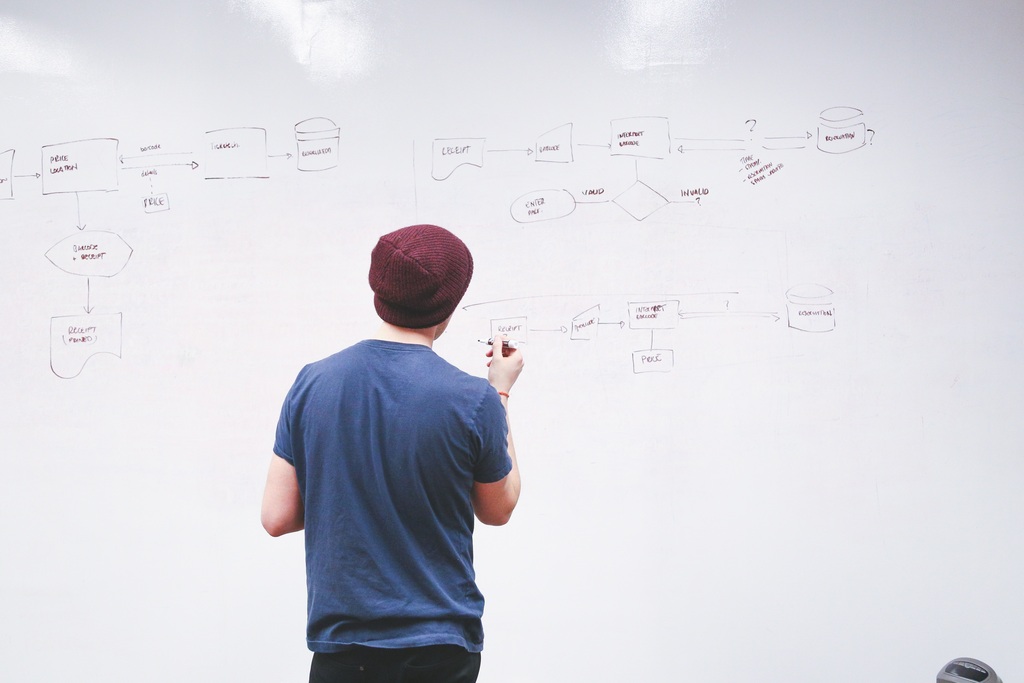
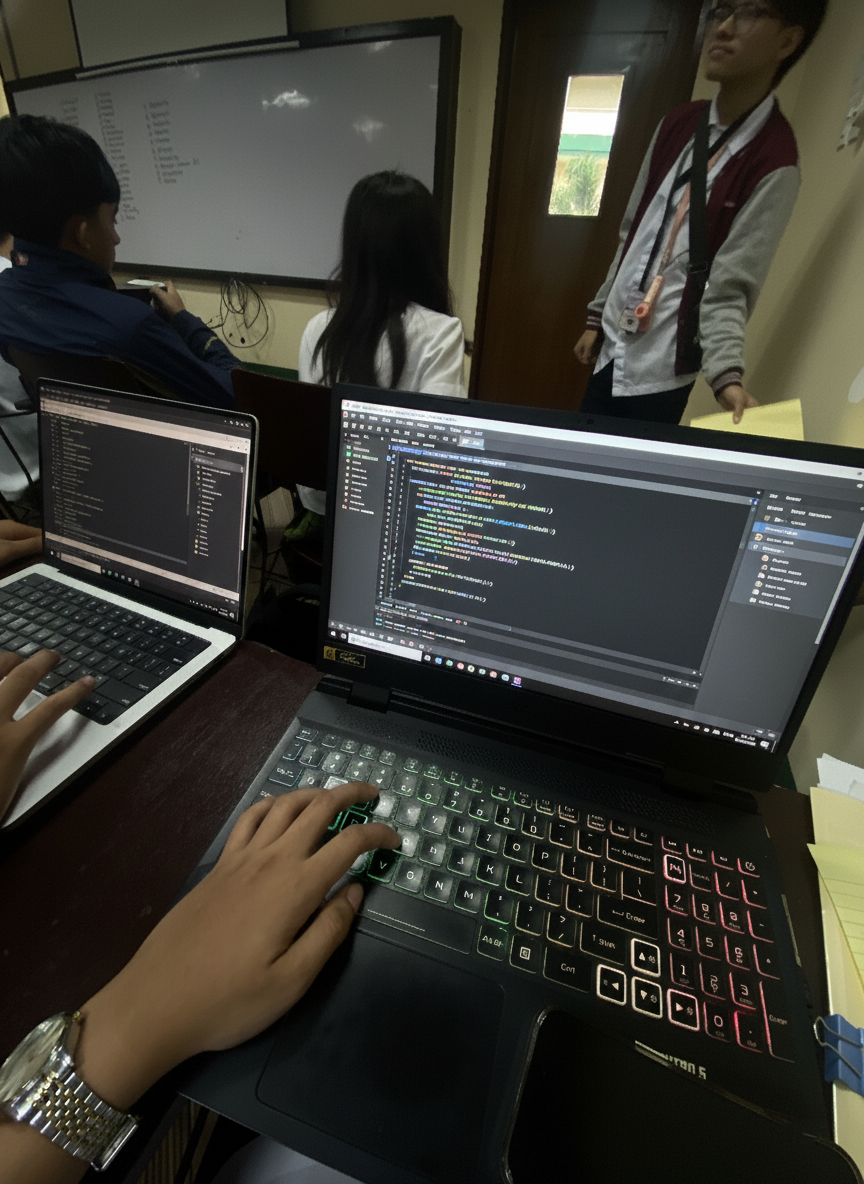
My college journey in Information Technology has been transformative, teaching me much more than just technical skills. Beyond programming languages and database management, I’ve learned that IT is fundamentally about problem-solving and human interaction.
One of the most valuable lessons was understanding that technology exists to serve people. The most elegant code or sophisticated system means little if it doesn’t meet user needs. Through various projects, I learned the importance of user-centered design and how to translate technical capabilities into practical solutions.
Collaboration emerged as another crucial aspect of IT work. Software development is rarely a solitary endeavor; it involves working with teams, understanding different perspectives, and communicating technical concepts clearly to non-technical stakeholders. Group projects taught me about version control, agile methodologies, and the importance of documentation.
Perhaps most importantly, I learned that learning never stops in IT. The field evolves rapidly, and staying current requires continuous education and adaptability. My college experience has equipped me with both the technical foundation and the mindset needed to thrive in this dynamic profession.
The Importance of UX in Apps
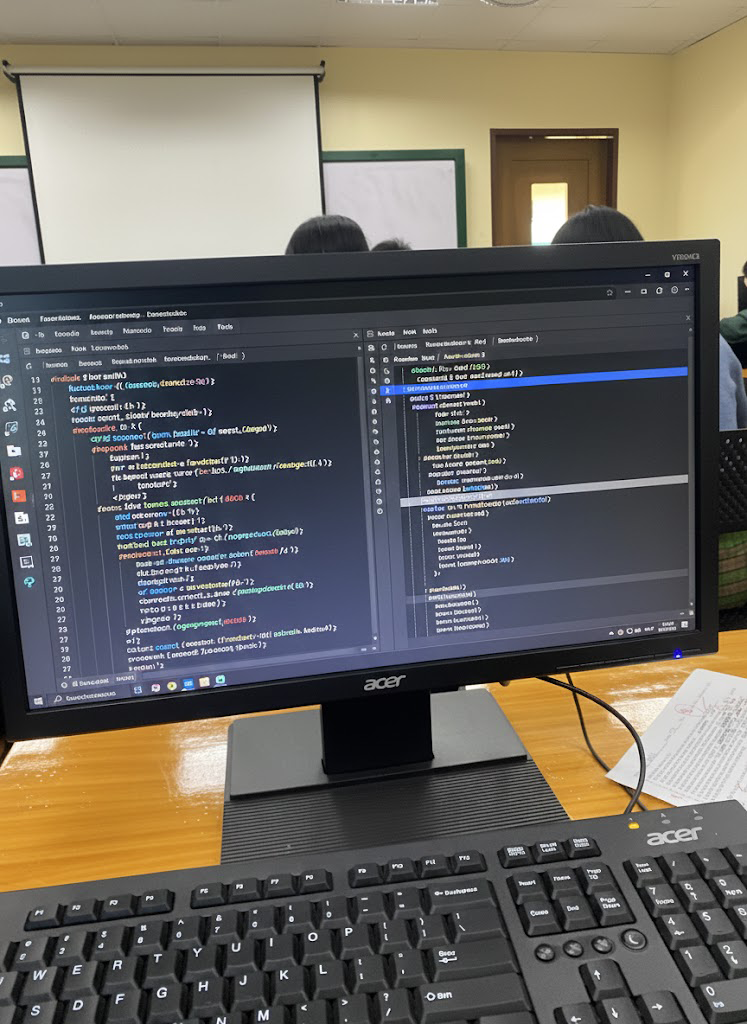
User Experience (UX) is often the deciding factor between an app’s success and failure. Through my coursework and personal projects, I’ve discovered that beautiful code means nothing if users struggle to navigate the application.
UX goes beyond aesthetics—it’s about creating intuitive interfaces that anticipate user needs. A well-designed app reduces frustration, increases engagement, and builds user loyalty. I’ve learned that small details matter: button placement, loading times, error messages, and even color choices can significantly impact how users perceive an application.
In developing my own projects, I’ve implemented UX principles like consistency across screens, clear navigation paths, and accessibility features. Testing with real users revealed insights I couldn’t have anticipated on my own, emphasizing that UX design is an iterative process requiring empathy and observation.
As technology becomes increasingly integrated into daily life, prioritizing UX ensures that our digital tools enhance rather than complicate human experience. Good UX design bridges the gap between technical capability and human usability.